


Knee Pain Physiotherapy in Greater Kailash 2, Delhi
2026-09-23T12:21:22  read more
 read more
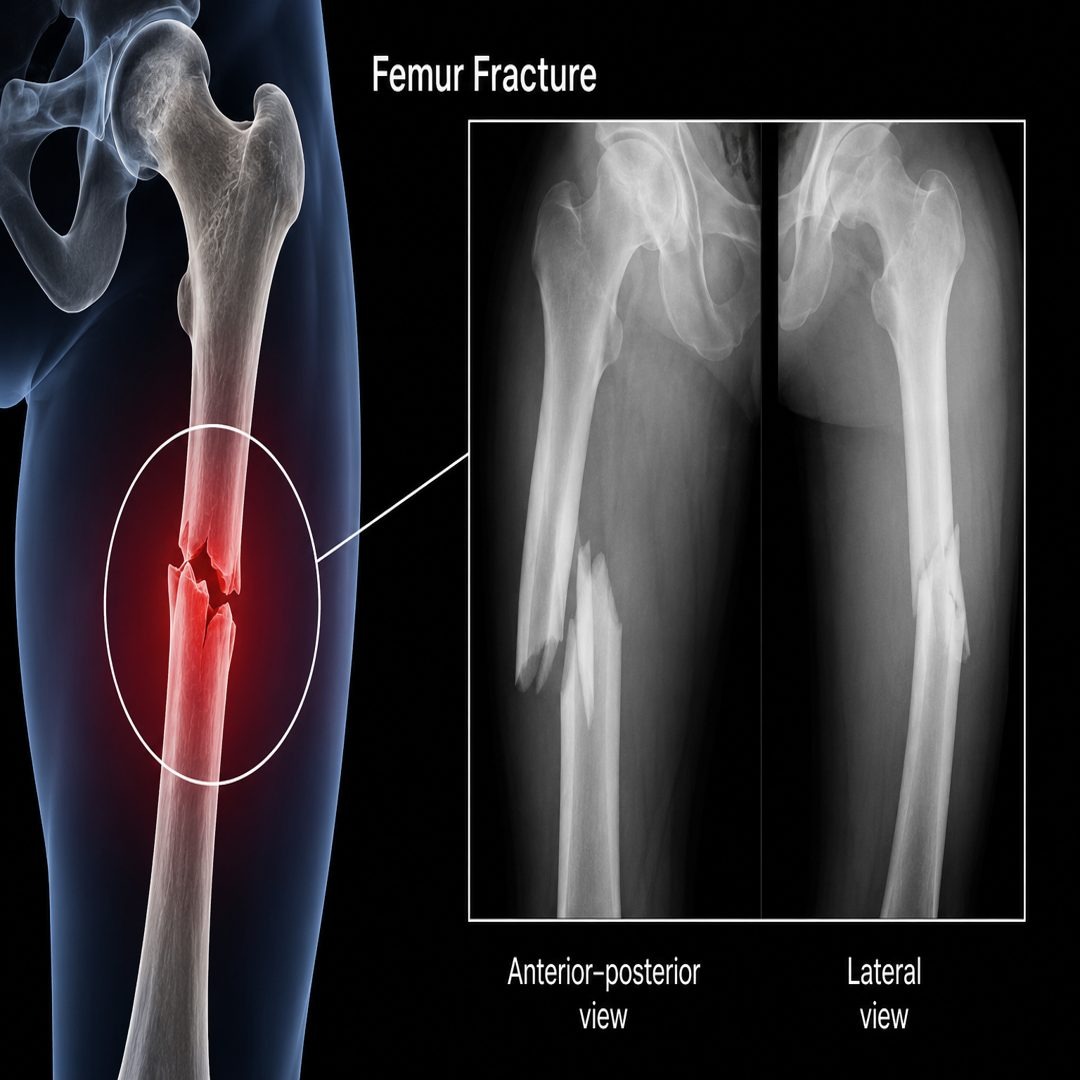

A femur fracture is one of the most serious bone injuries because the femur is the strongest and longest bone in the body. After surgery for a femur fracture, proper rehabilitation is essential for regaining movement, strength, and confidence in walking. Physiotherapy plays a major role in helping patients recover safely and return to normal daily activities. Why Physiotherapy Is Important After Femur Fracture Surgery After surgery, many patients experience pain, stiffness, swelling, muscle weakness, and difficulty walking. Staying inactive for a long time can also reduce joint mobility and delay healing. Physiotherapy helps improve circulation, restore movement, and prevent complications such as muscle tightness or joint stiffness. A structured rehabilitation program can improve recovery speed and help patients return to work, sports, and daily life more comfortably. Early Recovery After Surgery In the first few days after femur fracture surgery, the main focus is pain management and gentle movement. A physiotherapist may guide the patient with: Breathing exercises Ankle pump exercises to improve blood circulation Gentle knee and hip movements Bed mobility training Safe walking with a walker or crutches These exercises help reduce swelling and prevent muscle weakness during the early stage of healing. Improving Strength and Mobility As healing progresses, physiotherapy exercises become more active. The goal is to restore muscle strength and improve balance and walking ability. Weak muscles around the hip and thigh are common after surgery because of reduced movement. Common rehabilitation exercises may include: Quadriceps strengthening Straight leg raises Hip strengthening exercises Knee bending exercises Weight-bearing training Gait training for proper walking pattern Regular physiotherapy sessions help improve flexibility and reduce stiffness in the hip and knee joints. Restoring Walking and Daily Activities Many patients feel afraid to walk normally after surgery. Physiotherapy helps rebuild confidence through guided walking practice and balance training. A physiotherapist carefully monitors weight-bearing progression depending on the surgeon’s advice and bone healing condition. Patients gradually learn how to: Walk without support Climb stairs safely Improve balance and coordination Return to normal daily activities This stage of recovery is important for long-term independence and mobility. Pain Management During Rehabilitation Pain and swelling can continue for several weeks after surgery. Physiotherapy treatments such as ice therapy, electrical stimulation, soft tissue release, and stretching exercises may help reduce discomfort and improve healing. Patients are also educated about proper posture, movement techniques, and home exercises to avoid unnecessary stress on the operated leg. How Long Does Recovery Take? Recovery after femur fracture surgery varies depending on age, fracture severity, overall health, and rehabilitation consistency. Some patients recover within a few months, while others may require longer rehabilitation. Regular physiotherapy sessions and home exercise programs can significantly improve recovery outcomes and help patients regain strength faster. Conclusion Physiotherapy is an essential part of recovery after femur fracture surgery. It helps reduce pain, restore mobility, improve muscle strength, and support safe walking. With proper rehabilitation and guidance from an experienced physiotherapist, patients can return to their normal lifestyle with better confidence and function. If you or a family member is recovering from femur fracture surgery, early physiotherapy treatment can make a major difference in achieving a faster and safer recovery.
 read more
  read more
 We hate spam too.


